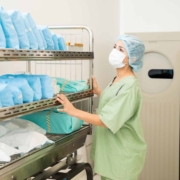
Does Your Linen Match Your Level of Care? The Importance of Premium Textiles in Medicine
Healthcare organizations invest heavily in advanced technology, specialized clinical staff, and modern facilities. These investments signal quality and capability. Yet many facilities overlook one of the most visible elements of the patient experience: the linens patients touch every day. When a patient is wrapped in a thin blanket or wears a gown that feels rough or worn, it sends a message that conflicts with the level of care being delivered.
A reliable medical linen supply plays a larger role than many organizations realize. It supports patient comfort, reinforces professionalism, and strengthens how care is perceived from admission through discharge. Premium textiles do not replace clinical excellence, but they support it in meaningful ways.
Patient Comfort Shapes the Care Experience
Patients notice how they feel long before they evaluate outcomes. Temperature, texture, and cleanliness all influence comfort. A shivering patient or one distracted by an uncomfortable gown experiences care differently, even when treatment is clinically sound.
Premium linens help address these issues by providing appropriate weight, softness, and consistency. Quality blankets and gowns help patients stay warm and comfortable during exams, imaging, and recovery. This comfort reduces stress and allows patients to focus on care rather than discomfort.
For facilities aiming to differentiate themselves through patient-centered care, the condition of their medical linen supply becomes part of that promise.
Worn or Inconsistent Linens Undermine Clinical Confidence
A modern care environment relies on trust. Patients expect that attention to detail extends beyond equipment and procedures. When linens appear faded, thin, or mismatched, patients may question whether the same lack of care applies elsewhere.
Consistent, high-quality linens reinforce confidence. Clean sheets, properly maintained gowns, and durable towels show that standards apply across the facility, not just in visible clinical areas. This consistency matters in hospitals, outpatient centers, imaging facilities, and specialty practices where patients form impressions quickly.
Premium Textiles Support Clinical Workflow
Comfortable linens benefit staff as well as patients. Nurses and clinical teams work more efficiently when linens perform as expected. Gowns that fit properly, blankets that maintain warmth, and sheets that hold up through repeated use reduce interruptions and replacement requests.
A dependable medical linen supply also simplifies daily operations. When staff trust the quality of available textiles, they spend less time searching for replacements or compensating for worn items. This allows more focus on patient care and less on managing shortages or complaints.
Quality Linens Contribute to Infection Prevention
Premium textiles are not only about comfort. They also support hygiene and safety. High-quality linens withstand repeated laundering without degrading, which helps maintain cleanliness standards over time.
Westport Linen processes healthcare linens in compliance with The Joint Commission, OSHA, CDC, EPA, and HLAC guidelines. Each item undergoes inspection for stains, tears, and wear before delivery. Linens that do not meet quality expectations are treated or removed from circulation.
According to CDC guidelines for healthcare facilities, fabrics and textiles used in healthcare settings are disinfected during laundering and rendered free of vegetative pathogens (hygienically clean). The laundering process must follow specific cycles including flush, main wash, bleaching, rinsing, and souring to achieve proper disinfection.
Clean linens must be properly packaged and protected during transport to prevent contamination from dust and dirt.
This attention to quality ensures that comfort and cleanliness work together rather than competing. A strong medical linen supply program supports infection control by delivering textiles that remain effective throughout their service life.
Branding Extends to the Patient Room
Healthcare branding often focuses on logos, signage, and digital presence. Patients, however, experience a brand through their senses. The feel of a blanket, the weight of a gown, and the cleanliness of a sheet all contribute to how care is perceived.
Premium linens support a facility’s reputation by aligning the patient environment with clinical excellence. They communicate care, preparedness, and respect for patient comfort. For organizations competing for patient loyalty or referrals, these details reinforce brand identity in ways marketing alone cannot achieve.
Consistency Matters Across Departments and Locations
Facilities with multiple departments or locations benefit from standardized linen quality. When a patient moves from one unit to another, or visits different facilities within a system, they expect the same level of comfort throughout.
A managed medical linen supply ensures consistency across patient rooms, procedural areas, and recovery spaces. This uniformity supports patient trust and simplifies oversight for administrators responsible for maintaining standards system-wide.
Premium Does Not Mean Impractical
Some organizations hesitate to prioritize linen quality due to concerns about durability or cost. In practice, premium textiles often perform better over time. They maintain integrity through repeated laundering and reduce the need for frequent replacement.
Westport Linen builds linen programs around actual facility usage, balancing quality with practicality. By inspecting and maintaining linens throughout their lifecycle, facilities receive textiles that meet comfort expectations without sacrificing operational efficiency.
Comfort as a Clinical Differentiator
Healthcare continues to evolve toward patient-centered models. Comfort, perception, and experience increasingly influence satisfaction and outcomes. While advanced equipment and skilled providers remain essential, the patient environment must support the same level of care.
A high-quality medical linen supply ensures that patients feel cared for from the moment they enter a facility. It reinforces professionalism, supports workflow, and aligns the physical experience of care with clinical excellence.
Elevating Care Through Quality Textiles
When linens match the level of care delivered, they strengthen every interaction between patients and providers. Premium textiles do not replace medical expertise, but they ensure that comfort and professionalism support it at every step.
Westport Linen works with healthcare facilities to provide reliable, high-quality medical linens that reflect the standards patients expect. Contact Westport Linen to learn how a premium medical linen supply can enhance patient comfort and reinforce your commitment to exceptional care.