The Importance of Hygienically Clean Linens During Spring Allergy Season
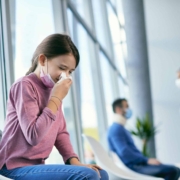
Spring along the Gulf Coast follows a familiar pattern. Oak and pine pollen climb, Bermuda grass and ragweed follow, and coastal humidity drives airborne mold spore counts higher. For hospitals and outpatient facilities in the region, that combination reliably means more asthma flare-ups, more allergic rhinitis cases, and more patients arriving already sensitized to their surroundings.
Clinical teams adjust their protocols and prepare for the volume shift. Environmental hygiene deserves the same attention. When patients are already reactive, the care environment should reduce exposure, not add to it.
Hygienically clean medical linens help ensure that the textiles in closest contact with patients have been processed to a verified standard rather than simply washed and delivered.
Spring Allergens Travel Indoors
In a healthcare environment, even small interruptions create outsized consequences. Clinical teams operate within tight timelines where admissions fluctuate, procedures overlap, and discharges accelerate. When linen delivery fails to keep pace, the disruption reaches far beyond the supply closet.
According to the American Journal of Healthcare Strategy, when linen supply is inconsistent, nurses and staff spend valuable time tracking down replacements rather than focusing on patients. Reliable medical linen delivery prevents those disruptions by ensuring essential items arrive as expected and in usable condition, including:
- Bed sheets and pillowcases
- Patient gowns
- Scrubs and staff apparel
- Towels and washcloths
This consistency keeps nurses and administrators focused on patients rather than scrambling to manage supply gaps.
Textile Processing Standards Influence Patient Exposure
Healthcare textiles require more than surface-level cleaning. They demand controlled workflows designed for medical environments. This includes clear separation of soiled and clean zones, regulated wash formulas, and structured handling practices.
Westport Linen processes healthcare textiles in compliance with The Joint Commission, OSHA, CDC, EPA, and HLAC guidelines. These standards govern how linens move through each phase of processing, from collection to delivery.
When allergy activity increases, strict adherence to these procedures helps prevent the reintroduction of contaminants into patient care areas.
Humidity Adds Another Layer of Risk
The Gulf Coast climate introduces a second variable beyond pollen. Elevated humidity supports mold growth in both outdoor and indoor environments. According to the CDC’s National Institute for Occupational Safety and Health, exposure to building dampness and mold has been linked to respiratory symptoms, asthma, bronchitis, and respiratory infections, particularly in vulnerable individuals.
Healthcare laundering protocols must account for moisture control. Proper wash temperatures, controlled finishing processes, and thorough inspection reduce the likelihood that linens retain residual dampness or particulates.
Hygienically clean medical linens provide reassurance that textiles have undergone structured processing rather than generalized commercial laundering.
Increased Patient Turnover Requires Steady Controls
Spring respiratory surges often coincide with higher patient throughput. Emergency departments and outpatient clinics may experience accelerated room turnover and faster linen circulation.
During these periods, disciplined processing becomes essential. Risks increase when:
- Soiled textiles are not fully segregated
- Clean linens are exposed to uncontrolled handling areas
- Inspection processes become inconsistent
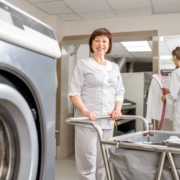
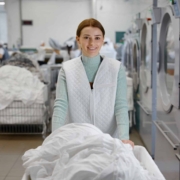
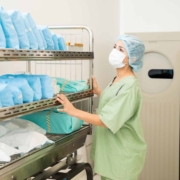
Westport Linen integrates manual inspection into its production workflow. Associates examine each item for stains, tears, and integrity before folding and dispatch. Items that do not meet defined standards receive treatment or removal from service.
This consistent review supports the reliability of hygienically clean medical linens delivered during peak seasons.
Respiratory Comfort Extends Beyond Air Quality
Air filtration systems and surface cleaning protocols remain central to hospital hygiene. Textiles, however, represent prolonged contact points for patients.
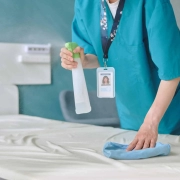
For individuals managing asthma or severe allergies, comfort matters. Freshly processed sheets and gowns that are clean, intact, and properly maintained reduce potential irritants. While linens do not treat respiratory conditions, they contribute to a stable environment during a period of heightened sensitivity.
This alignment between environmental control and clinical care supports a stronger patient experience.
Consistency Across Departments Protects Standards
Allergy season affects more than one unit. Emergency departments, pulmonary clinics, inpatient wards, and urgent care centers may all experience increased respiratory visits.
A structured linen program ensures that hygienically clean medical linens are delivered under the same processing standards across every department. This uniformity simplifies oversight and supports system-wide hygiene expectations.
For healthcare administrators, consistency reduces variability at a time when patient acuity may be elevated.
Preparing for Predictable Seasonal Demand With Westport Linen
Tree pollen, grass pollen, ragweed, and mold spores will rise again next spring. Facilities that proactively strengthen their hygiene framework enter the season prepared rather than reactive.
Westport Linen supports healthcare facilities across Texas, Louisiana, and Mississippi with healthcare-focused textile processing designed to meet regulated standards year-round. By delivering hygienically clean medical linens processed under structured protocols, Westport Linen helps hospitals and clinics maintain controlled care environments during seasonal respiratory surges.
Contact Westport Linen to learn how disciplined, healthcare-specific linen processing can support your facility through spring allergy season and beyond.