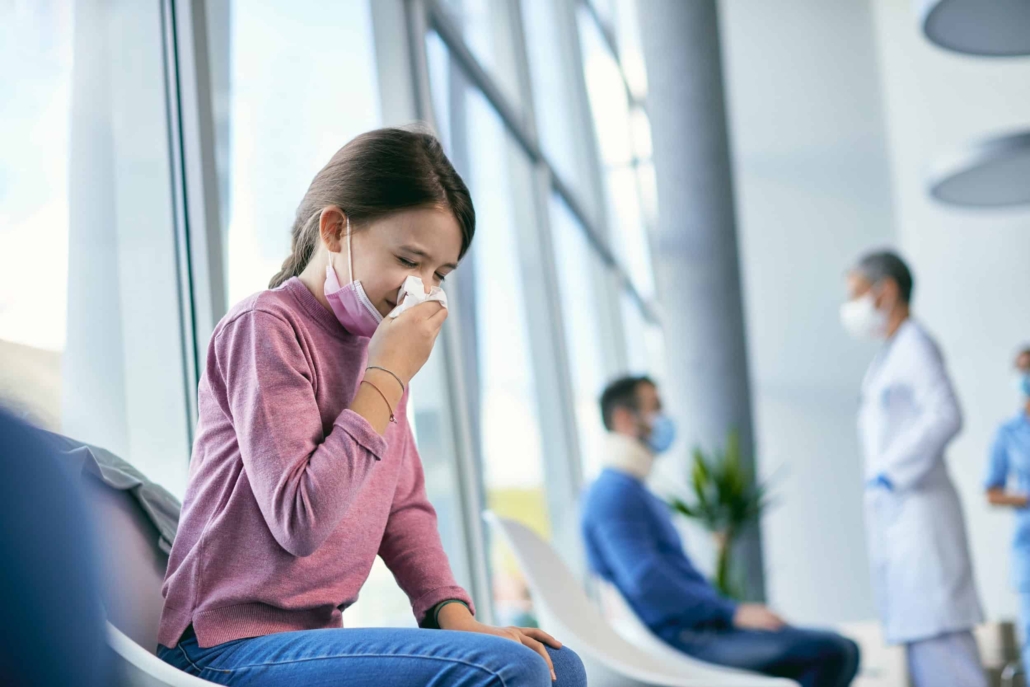
Hospital Hygiene: Preparing for the Spring Allergy and Asthma Spike
Spring brings welcome warmth to the Gulf Coast, but it also introduces a familiar challenge for hospitals. Rising pollen counts, higher humidity, and increased airborne irritants can worsen symptoms for patients with asthma and seasonal allergies. During this time of year, hospital hygiene practices play a larger role in supporting respiratory comfort and overall patient well-being.
While medications and clinical protocols remain central to care, the patient environment matters as well. One often overlooked factor is linen hygiene. A reliable medical linen service helps hospitals reduce common irritants and maintain a cleaner setting during the spring allergy and asthma spike.
Why Spring Conditions Increase Respiratory Sensitivity
The Gulf Coast experiences a unique combination of environmental factors in the spring. Trees, grasses, and plants release pollen over an extended period, with grass pollen starting as early as April. At the same time, moisture in the air allows dust and allergens to linger rather than settle.
Key findings on spring allergies and respiratory health:
- Pollen exposure triggers asthma attacks: Individuals with respiratory conditions like asthma are more sensitive to pollen, with exposure linked to increased hospital admissions (CDC, 2025: https://www.cdc.gov/climate-health/php/effects/allergens-and-pollen.html)
- Extended seasons in coastal regions: The Gulf Coast experiences longer pollen seasons due to tropical moisture and humidity (AccuWeather, 2025: https://www.accuweather.com/en/weather-news/allergy-forecast-for-the-us-in-2025/1756039)
- Humidity increases allergen exposure: High humidity promotes mold growth and allows dust mites to reproduce rapidly in Gulf Coast climates (NOLA.com, 2024: https://www.nola.com/entertainment_life/allergy-capital-new-orleans/article_65dfeff8-a059-11ef-ae04-a700ab95cc18.html)
Hospital patients with asthma, chronic respiratory conditions, or seasonal allergies often arrive with heightened sensitivity. Even minor irritants can contribute to coughing, congestion, or breathing discomfort. For these patients, the cleanliness of everything they touch becomes more important.
How Linens Can Contribute to Allergy Triggers
Linens interact with patients continuously. Sheets, blankets, gowns, and towels come into direct contact with skin and clothing. If not properly cleaned, these items can retain dust, pollen, and other microscopic particles.
Inconsistent laundering methods may leave behind residues that worsen respiratory irritation. Home-style washing or non-medical laundry processes often lack the controls needed to fully remove allergens. During peak allergy season, this gap becomes more noticeable.
A professional medical linen service helps address this issue by applying healthcare-specific laundering procedures designed to remove contaminants thoroughly and consistently.
Professional Laundering Supports Cleaner Patient Environments
Hospitals that partner with a healthcare-focused linen provider gain greater control over environmental hygiene. Professionally laundered linens are processed using methods appropriate for medical settings, not general commercial use.
Westport Linen processes healthcare linens in compliance with standards set by The Joint Commission, OSHA, CDC, EPA, and HLAC. These standards support proper separation of soiled and clean items, controlled handling, and consistent inspection. Each piece is evaluated for stains, tears, or wear before delivery, ensuring that linens entering patient rooms meet quality expectations.
For respiratory patients, this level of care helps reduce exposure to lingering irritants that can collect in improperly cleaned fabrics.
Consistency Matters During High-Risk Seasons
Spring allergy season places added strain on hospital operations. Patient volumes often increase, and staff manage a wider range of symptoms. During this period, consistency becomes critical.
A dependable medical linen service ensures that clean linens are always available and meet the same hygiene standards across departments. This consistency prevents last-minute substitutions or reuse of questionable items, which can introduce avoidable risk for sensitive patients.
Hospitals that maintain steady linen quality during seasonal spikes create a more stable environment for both patients and clinical teams.
Supporting Comfort Without Changing Clinical Workflow
Reducing respiratory triggers does not require adding complexity to care routines. Clean, professionally laundered linens integrate seamlessly into existing workflows. They support patient comfort without requiring additional steps from staff.
When blankets provide adequate warmth and gowns remain soft and well-maintained, patients experience fewer discomforts unrelated to their diagnosis. For individuals managing asthma or allergy symptoms, this comfort contributes to calmer breathing and reduced irritation.
Environmental improvements such as these complement clinical treatment rather than competing with it.
Regional Considerations for Gulf Coast Hospitals
Hospitals in Gulf Coast communities face longer allergy seasons compared to other regions. Warm temperatures and vegetation patterns extend pollen exposure well into spring and early summer. As a result, facilities benefit from planning ahead.
A medical linen service familiar with healthcare environments helps hospitals prepare for these seasonal shifts. Consistent pickup, laundering, and delivery schedules ensure that linen supply remains steady even as demand fluctuates.
This preparation allows hospitals to focus on patient care while maintaining environmental hygiene standards appropriate for the season.
Preparing for Spring Starts with the Right Partner
As allergy and asthma cases rise each spring, hospitals benefit from evaluating every aspect of their hygiene strategy. A reliable medical linen service helps reduce environmental triggers and maintain consistent standards during a demanding season.
Westport Linen supports Gulf Coast hospitals with healthcare-focused linen processing designed to meet regulatory standards and support patient comfort. Contact Westport Linen to learn how professionally laundered linens can help your facility prepare for the spring allergy and asthma spike while maintaining a clean, supportive care environment.