Why Healthcare Facilities Need Different Laundry Standards Than Commercial Businesses
A clean tablecloth and a clean patient gown might look the same, but the standards behind how they’re processed are worlds apart.
In healthcare, linens aren’t just textiles. Sheets, gowns, scrubs, and towels move through patient rooms and treatment areas daily, which means contamination control isn’t optional. The handling, oversight, and accountability required goes far beyond what most commercial businesses need.
That’s why healthcare laundry services are built around specialized procedures, not general ones.
The End User Changes Everything
The biggest difference between healthcare laundry and standard commercial laundry is who uses the textiles.
In most commercial settings, linens serve appearance or comfort. In healthcare, it’s different. Textiles like sheets, gowns, towels, and surgical drapes become part of the care environment itself, with patients spending hours or days in direct contact with them. That’s why the processing standards are so specific, covering:
- Water temperature, detergent type, and disinfectant use during laundering
- Facility cleanliness, employee safety, and ongoing inspection
- Safe collection, transportation, and storage before textiles reach the patient
These aren’t just internal best practices. According to CDC Guidelines for Environmental Infection Control, proper laundering protocols are essential to reducing the risk of disease transmission to patients and healthcare personnel. The Healthcare Laundry Accreditation Council (HLAC) sets the benchmark standards that ensure textiles are hygienically clean at every stage of the process.
Healthcare facilities need confidence that every step has been handled to meet those standards, and that requirement shapes the entire laundry process.
Healthcare Facilities Depend on Consistency
A hospital cannot operate with varying standards from one day to the next. Whether a patient arrives on Monday morning or Saturday night, the expectation remains the same.
Healthcare laundry services support that consistency through structured workflows and established processing procedures.
This consistency affects multiple areas of a facility, including:
- Patient rooms
- Emergency departments
- Surgical areas
- Imaging centers
- Outpatient clinics
When textile quality remains predictable across departments, healthcare teams can focus on patient care rather than supply concerns.
Handling Procedures Matter Before Washing Begins
Many people think laundry standards begin inside the wash cycle. In healthcare environments, the process starts much earlier.
The movement of textiles through a facility requires careful attention from the moment soiled linens are collected.
Healthcare laundry processing involves procedures designed to support:
Controlled Collection
Soiled textiles must be handled appropriately from the point of use through transportation.
Organized Processing
Healthcare textiles follow defined workflows designed for medical environments rather than general commercial operations.
Clean Linen Protection
Once textiles have been processed, they must continue moving through a controlled system until they reach the facility again.
These procedures help support consistent results throughout the process.
Quality Requires More Than Clean Appearance
A sheet may appear clean and still fail to meet a healthcare facility’s expectations.
For this reason, quality review remains an important part of healthcare textile processing.
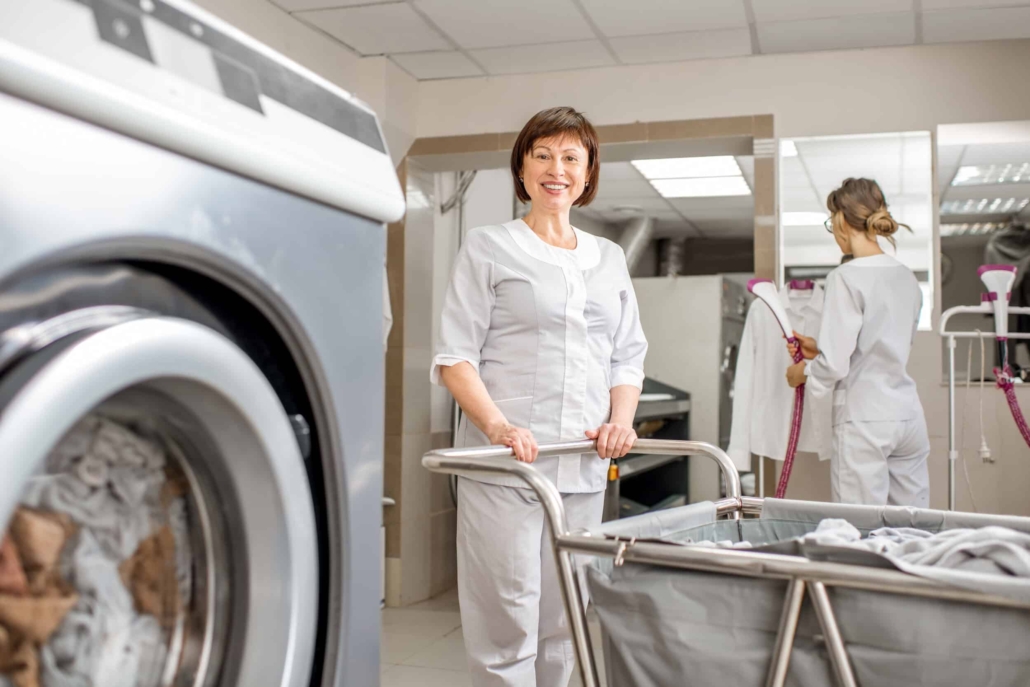
At Westport Linen, production associates inspect linens before they move to folding and delivery. Items showing stains, tears, or excessive wear are identified for additional treatment or removal from circulation.
This inspection process helps ensure that healthcare facilities receive linens that are ready for patient use.
It also supports a more consistent experience for both patients and staff.
Employee Safety Is Part of the Process
Healthcare textile processing involves responsibilities that extend beyond the finished product.
Employees who handle soiled healthcare linens require procedures designed to support workplace safety.
Westport Linen maintains an Exposure Control Plan that meets and exceeds OSHA 29 CFR 1910.1030 requirements. Team members receive training related to bloodborne pathogens, hazard recognition, exposure prevention, and proper handling practices for healthcare textiles.
The plan also includes:
- Universal and standard precautions
- Engineering controls
- Personal protective equipment procedures
- Hepatitis-B vaccination and follow-up protocols
- Annual program review requirements
These measures help support a safe working environment while reinforcing healthcare-focused processing standards.
Scale and Structure Support Healthcare Operations
Healthcare facilities cannot pause operations because linen demand changes.
Patient volumes fluctuate. Departments become busier. New facilities open. Throughout these changes, textile availability must remain dependable.
Westport Linen operates three modern processing plants serving healthcare facilities throughout Texas, Louisiana, and Mississippi. Together, these facilities can process up to 50 million pounds of healthcare linens annually.
This capacity allows hospitals, ambulatory surgery centers, imaging centers, physician offices, and sleep labs to maintain access to the textiles they need while working with a provider focused exclusively on healthcare environments.
Why Healthcare Laundry Services Follow a Different Standard
Healthcare textiles support environments where consistency, accountability, and attention to detail matter every day. From handling procedures and employee safety protocols to quality inspections and healthcare-focused workflows, every step serves a purpose.
Westport Linen has specialized in serving healthcare facilities since 1999, providing hospitals and medical practices with processing systems designed specifically for healthcare environments.
Contact Westport Linen to learn how healthcare laundry services tailored to medical facilities can support your organization’s daily operations and textile needs.